Quick answer
The NSW Taxi Transport Subsidy Scheme (TTSS) pays half of a taxi fare, up to $60 a trip, for NSW residents with a severe and permanent disability who can't use public transport. It isn't means tested, it works only in taxis (including wheelchair accessible taxis), and you claim it by tapping a TTSS Smartcard, with paper dockets as a backup.
What is the NSW Taxi Transport Subsidy Scheme?
The Taxi Transport Subsidy Scheme (TTSS) is a Transport for NSW program that pays half of your taxi fare, up to $60 per trip, if a severe and permanent disability stops you using public transport. You pay the rest. It covers standard and wheelchair accessible taxis anywhere in NSW, and you claim it with a TTSS Smartcard.
Since it started in 1981, the scheme has gone almost fully digital. In March 2026 the NSW Government said 93% of TTSS trips are now paid by smartcard. Paper dockets still exist, but only as a backup for the times a card can't be used.
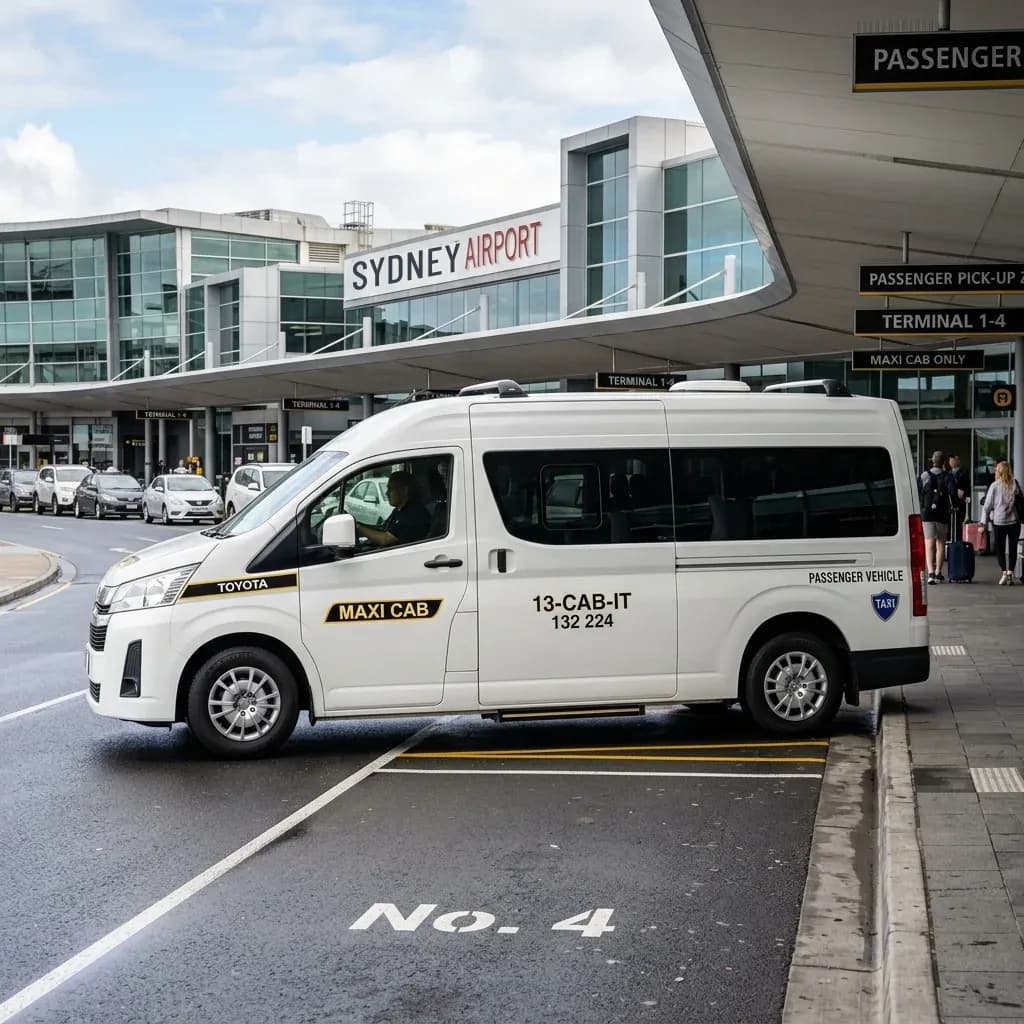
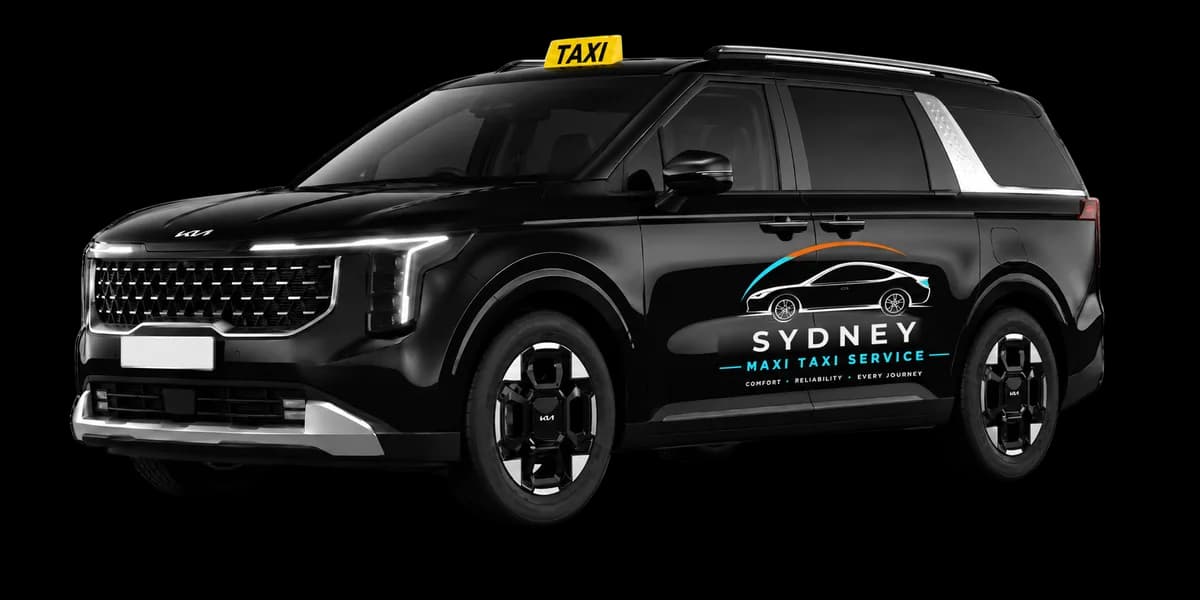
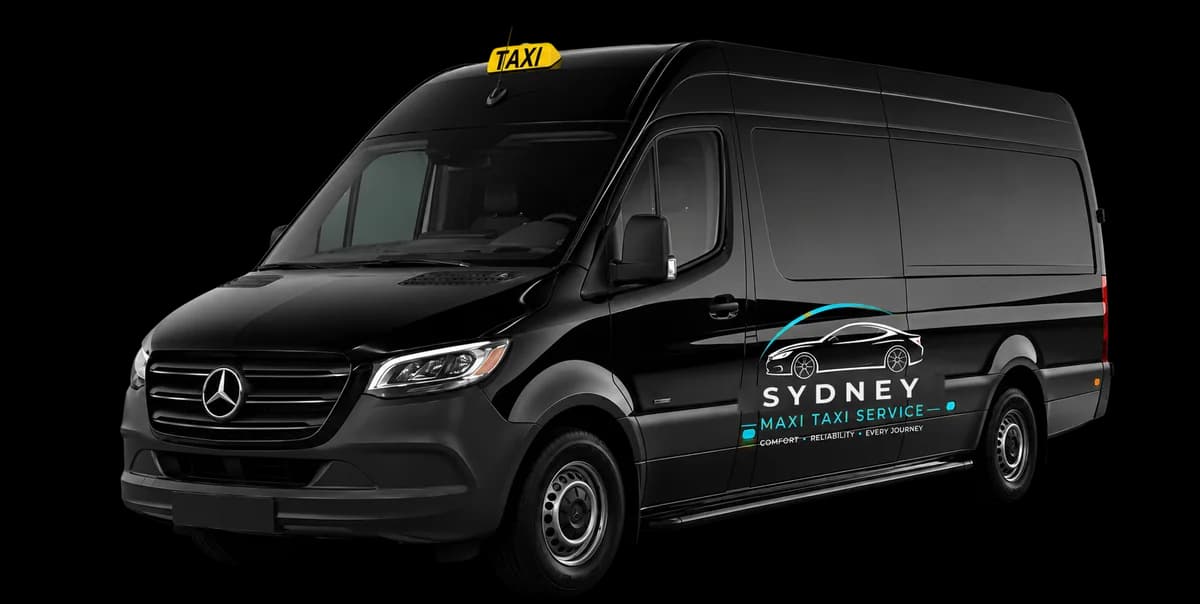
Sydney Maxi Taxi accepts TTSS, including on wheelchair accessible taxi trips. This guide covers who qualifies and what the subsidy is worth on real fare amounts, then the practical side, from tapping the card to what to do when a driver says no.
Who is eligible for TTSS?
You can apply if you're a permanent resident of Australia who usually lives in NSW, you're school age or older, and a severe and permanent disability stops you using public transport without help. There's no means test. Your income doesn't count, and getting a pension doesn't automatically qualify you either.
You also can't already belong to a similar scheme in another state or territory. Transport for NSW sorts the disabilities it accepts into five categories, each with its own medical criteria:
- Mobility: for example, you need a wheelchair outside your home, or you can't walk 20 metres without resting and always need a walking aid or another person's help.
- Vision: for example, total loss of sight in both eyes, or vision of 6/60 or less in each eye.
- Epilepsy: severe and uncontrollable, with more than 12 episodes a year and no more than 2 months between seizures. Approvals are reviewed every 2 years.
- Intellectual disability or cognitive impairment: severe enough that you can't use public transport on your own, for example because you can't remember your destination or manage paying a fare.
- Speech or hearing: severe, permanent communication difficulties, so you always need someone to help you use public transport.
Your doctor or specialist completes the medical sections of the application form, and Transport for NSW's independent medical assessor reviews every application. Read this part before you apply: Service NSW says that if you're having treatment or rehabilitation that's expected to improve your condition, you're not eligible.
To apply, download the form from the Transport for NSW TTSS page or call 131 500 for a paper copy. Upload it online with your photo, or post it with two photos to Taxi Transport Subsidy Scheme, PO Box K659, Haymarket NSW 1240. Prefer plain language? The Easy Read guide explains the scheme with pictures.
How much does TTSS pay? Worked fares
TTSS pays 50% of the metered fare until the subsidy reaches $60, and you pay the rest. The turning point is a $120 fare, because half of $120 is exactly $60. Below that you always pay half, and above it every extra dollar on the meter comes out of your pocket.
| Metered fare | TTSS pays | You pay | Share TTSS covers |
|---|---|---|---|
| $40 | $20 | $20 | 50% |
| $80 | $40 | $40 | 50% |
| $120 | $60 | $60 | 50% |
| $150 | $60 | $90 | 40% |
| $200 | $60 | $140 | 30% |
These are example amounts to show the maths, not quotes for any trip. The $80 row matches Transport for NSW's own example. TfNSW also gives a $140 fare, where TTSS pays $60 and you pay $80.
So which limit bites? On short local trips it's the 50%, and the cap never comes into it. On long trips it's the $60. If you make the same long trip every week, say to a specialist on the far side of Sydney, plan around the cap, because past $120 you pay the whole of every extra dollar.
Only one subsidy applies per trip. If two TTSS members share a taxi, one card covers the subsidy and you split what's left between you.
Why a booked TTSS trip is still metered
Most booked taxi fares in NSW are set by the operator. TTSS trips are the exception. Transport for NSW says TTSS fares remain regulated: the fare calculation device (the meter) must be used on booked trips as well as rank and hail trips, and you can't be charged more than the maximum fare in the Transport for NSW fares order. That order sets the flagfall, distance rates, peak time charge and waiting time.
Because the subsidy is half the metered fare, when the meter starts matters too. In March 2026 the NSW Government announced that the fine for starting the meter before a wheelchair passenger is safely secured would rise from $300 to $3,000, because the practice had been inflating fares for passengers who use wheelchairs.
TTSS smartcard or paper docket: which do you use?
Use the smartcard whenever the taxi can take it, because the TTSS terms require it. A paper docket is only for when the taxi can't accept the card, or when you've lost your card and are waiting for a new one.
The smartcard looks like a bank card, with your photo and name on it. It's marked M40 if you travel in a standard taxi or M50 if you're approved for a wheelchair accessible taxi. A trip goes like this:
- Tell the driver you're a TTSS participant when the trip starts.
- At the end, the driver stops the meter and puts the subsidy amount on the payment terminal.
- Tap your smartcard on the terminal. That claims 50% of the fare, up to $60, and the driver can assist if you need help tapping.
- Pay the rest by cash or card, and ask for a receipt if you need one.
Your tap goes through the taxi's Cabcharge terminal, which passes the trip details to Transport for NSW. The rules are strict about who uses it: the card is for you alone, and only when you're in the taxi for the whole trip.
When you need a paper docket
Keep two blank dockets with your card, even if it's been years since you needed one. Transport for NSW recommends it, and the day a terminal won't read your card is the day you'll want them.
- Only blue docket books are valid now. Transport for NSW began issuing them on 1 October 2025, and the old pink books stopped being accepted after 31 January 2026.
- Fill in every field: date, time, trip details, total fare, the share you pay, the subsidy (up to $60) and your signature.
- If you can't sign, a carer can sign for you and write down how they're related to you. Travelling alone? The driver can fill it in and write P.U.T.S. (Passenger Unable To Sign) in the signature box.
- Use one docket per continuous trip. Never use one to pay a tip, and never leave blank dockets with a driver.
Which taxis accept TTSS?
Every taxi in NSW should accept TTSS, including maxi taxis and wheelchair accessible taxis. The catch is the word taxi. TTSS can't be used in a hire car, a bus or any other vehicle that isn't a taxi, which rules out standard rideshare.
For years, a driver who refused your card faced no penalty. That changed in March 2026, when the NSW Government announced $3,000 fines for taxi drivers who knock back TTSS smartcards or paper dockets. It also said every taxi service provider must make sure its drivers are set up to take TTSS payments. The fines cover NSW drivers who refuse interstate subsidy schemes too.
If a driver refuses your card
Some drivers have claimed their taxi isn't equipped for TTSS. If you hear that, ask for a paper docket instead. If they still refuse, write down the plate number and the taxi network (usually shown on the front doors), plus when and where it happened. Then call the Point to Point Transport Commissioner's Industry Contact Centre on 131 727, the complaint line Transport for NSW gives TTSS members.
TTSS in a wheelchair accessible taxi
Transport for NSW defines a wheelchair accessible taxi (WAT) as one that can safely carry at least one wheelchair. If you always need a wheelchair to get around, you can be approved to travel by WAT: your doctor completes a mobility verification form, your smartcard shows M50, and your docket account number starts with 08 or 09.
Already a member and now travelling in your wheelchair? Tell TTSS so they can update your account and send a new card. Sydney Maxi Taxi takes wheelchair taxi bookings directly, and Transport for NSW also lists Wheelchair Book & Ride (13 90 00) as a booking service for wheelchair accessible taxis in Sydney.
Does the NDIS change how TTSS works?
No. Service NSW says the National Disability Insurance Scheme doesn't change the way customers use their TTSS dockets. They're separate schemes. TTSS is run by Transport for NSW and comes off the fare when you tap your card. NDIS transport funding, if your plan includes it, is paid to you regularly or claimed through the my NDIS app or portal.
The NDIS says its recurring transport supports can pay for taxis, rideshare and other private travel to work, study, day programs and community activities. Whether you have that funding, and how much, depends on your plan.
What we can't tell you is how your NDIS funding and your TTSS subsidy interact, because that depends on your plan too. Check it, ask your plan manager or the NDIS, and read the NDIS page on recurring supports before you count on either.
How do you book a TTSS trip with Sydney Maxi Taxi?
Tell us you're paying with TTSS when you book, either online or on 0416 507 515, and say whether you'll travel in your wheelchair or in a seat. That decides whether we send a wheelchair taxi or a maxi taxi.
Put these in the Notes box on the booking form, or tell us on the phone:
- That you're paying with TTSS, and whether your card shows M40 or M50.
- The wheelchair type and its approximate size and weight, so we can confirm it fits.
- Whether you'll stay in the chair for the trip or transfer to a seat.
- How many carers or family members are coming, and any luggage. Our wheelchair taxi has room for a carer and family, and the fleet page shows what each vehicle carries.
One thing to expect: NSW rules say a TTSS fare must be calculated on the meter and can't exceed the maximum fare, so a TTSS trip works differently from our usual fixed quotes. We confirm how your fare is charged when you book. Bring your smartcard and two blank blue dockets.
Flying soon? Our guide to wheelchair taxi drop-off and pick-up at Sydney Airport covers the accessible zones at T1, T2 and T3, and who helps you at each step.
Questions people ask
A TTSS smartcard is the photo card Transport for NSW gives members of the Taxi Transport Subsidy Scheme. At the end of a taxi trip you tap it on the payment terminal, and the subsidy, half the fare up to $60, comes off the total. It's marked M40 for standard taxis or M50 for wheelchair accessible taxis. Paper dockets are only a backup for when the card can't be used.
It can, if your plan includes transport funding. The NDIS says its recurring transport supports can be used for taxis, rideshare and other private travel, and the amount depends on your plan. Separately, people in NSW with a severe and permanent disability may qualify for the NSW Taxi Transport Subsidy Scheme (TTSS), which pays half of a taxi fare up to $60. Service NSW says the NDIS doesn't change how TTSS dockets are used.
Yes. A maxi taxi is a taxi, and TTSS works in any taxi in NSW, including wheelchair accessible maxi taxis. Only one subsidy applies per trip, so if two TTSS members share a maxi, one card covers the subsidy and you split the rest. TTSS can't be used in hire cars, buses or rideshare cars that aren't taxis. Sydney Maxi Taxi accepts TTSS, so mention it when you book.
In March 2026 the NSW Government announced $3,000 fines for taxi drivers who refuse TTSS smartcards or paper dockets, and said every taxi provider must have its drivers set up to accept them. If the terminal won't take your card, ask for a paper docket. If the driver still refuses, note the plate number and taxi network, plus when and where it happened, and call the Point to Point Transport Commissioner on 131 727.
Only on trips where you're in the taxi too. TTSS rules say the smartcard or docket can be used only by the person named on it, and that person must be in the vehicle for the whole trip. Family and friends can't use it for their own travel, and you can't lend it or leave blank dockets with a driver. If you can't sign a paper docket, a carer travelling with you can sign it for you.
Sources
- Transport for NSW: Taxi Transport Subsidy Scheme
- Transport for NSW: Taxi Transport Subsidy Scheme digital smartcard
- Transport for NSW: TTSS information booklet
- NSW Government: Easy Read guide to the Taxi Transport Subsidy Scheme
- Service NSW: Apply for the Taxi Transport Subsidy Scheme
- NSW Communities and Justice: $3000 fines for cab drivers who rip off passengers with disability (19 March 2026)
- Transport for NSW: Taxi fares and charges (TTSS fares remain regulated)
- NDIS: What are recurring supports (transport funding)